What Makes a Detroit Beat Work in 2026 and How Do You Use One Legally?
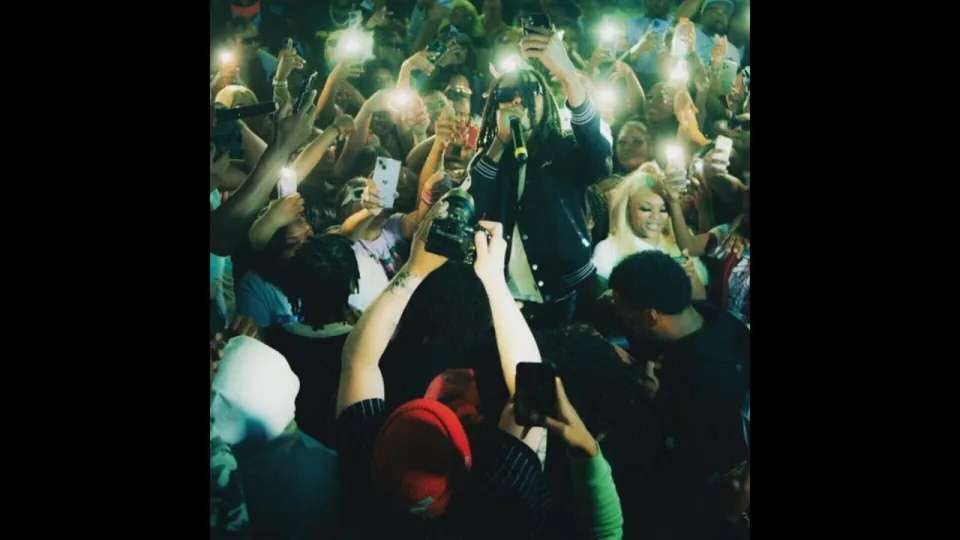
Video: [FREE] Babyfxce E x Rio Da Yung Og x Detroit Type Beat - “Superstar"
You can order the same kind of articles for your own video to boost it on YouTube and Google. Just message the Telegram bot @sat_sit_bot. It writes articles around your video, embeds the video and publishes them on popular niche websites (no ads). Try it free: 50 articles on us.
Key takeaways
- Detroit beats usually sit in a 90–105 BPM pocket; the Flintana instrumental "Superstar" is 99 BPM in B minor.
- The subgenre grew out of Michigan rap — Rio Da Yung Og, Babyfxce E, Veeze, Babytron and the Flint scene.
- Free type beats normally cover non-profit use only; streaming and monetized releases need a paid lease.
- Typical lease tiers on BeatStars: MP3 $29.99, WAV $39.99, Unlimited $89.99, often with a buy-2-get-1-free deal.
- Tagged voice drops in a preview are removed in the purchased untagged file, so Content ID and monetization depend on the license you buy.
A Detroit beat is a Michigan-style rap instrumental built on a 90–105 BPM pocket, sparse minor-key melodies and hard, syncopated drums that leave room for punchline-heavy vocals. The "Superstar" instrumental from the Flintana channel — tagged as a Babyfxce E x Rio Da Yung Og type beat — follows that formula exactly: 99 BPM in B minor, free for non-profit use, with paid leases starting at $29.99 and an instant untagged download at bsta.rs/X1GPw8.
What defines the Detroit beat sound
A Detroit beat is less a single drum kit and more a set of production habits shared across Detroit, Flint and the wider Michigan rap scene. Producers keep the arrangement lean so the rapper's cadence carries the record.
The recurring ingredients:
- Tempo between roughly 90 and 105 BPM — slow enough for dense, conversational bars, fast enough to keep a bounce.
- Minor keys, most often B minor, F minor or G minor, with dark piano, bell or synth loops.
- Drums that hit early and often: a punchy kick, tight snares or claps, and hi-hat rolls that double up in bursts rather than running continuously.
- Sparse low end — a clean 808 or sub-bass that follows the root notes instead of sliding all over the scale.
- Short loops. Many Detroit instrumentals are built from four- or eight-bar phrases repeated with small dropouts, so the vocal never fights the beat.
The result is a beat that sounds minimal on its own and full once a rapper like Rio Da Yung Og or Babyfxce E starts stacking syllables on top of it.
Why 99 BPM in B minor is a practical choice
99 BPM in B minor sits in the sweet spot where a Detroit beat can be rapped, half-timed or twerked over without changing the tempo. That flexibility is why the same instrumental can be pitched as a Babyfxce E type beat, a Veeze type beat or a general trap type beat without any edits.
At 99 BPM, a standard 16-bar verse runs comfortably under 40 seconds, which suits the short, punchline-dense verses common in Michigan rap. B minor gives producers a dark tonic without forcing the vocalist into an uncomfortably low register, and it transposes cleanly if an artist wants the beat a semitone or two up.
If you are producing your own Detroit beat, start at 96–100 BPM in a minor key, write an eight-bar loop, then subtract elements rather than adding them. That subtraction is what makes the genre sound expensive on cheap speakers.
Free Detroit type beats and what the license actually covers
A free type beat is a promotional preview, not a transfer of rights. The Flintana listing states plainly that free use is for non-profit use only, and that uploading the beat to Spotify, Apple Music, YouTube Music or any other streaming platform requires a valid license.
What that means in practice:
- You can write and record over the free version, and post a non-monetized video.
- You cannot release a song on streaming services, monetize it, or distribute it without buying a lease.
- If you already released a track using the beat without a license, you can still buy the correct license afterward through the same download page.
The published tiers for "Superstar" are MP3 at $29.99, WAV at $39.99 and Unlimited at $89.99, with a buy-two-get-one-free promotion when both beats are added to the cart. Higher tiers generally raise streaming caps and revenue limits, so match the lease to your actual release plan rather than the lowest price.
Common questions producers and rappers ask about type beats
Most confusion around Detroit beats comes down to three things: the voice tag, the license scope and the price.
- The voice tag. The spoken drop you hear in the preview is a watermark. It exists so the beat cannot be used untagged for free, and it is removed in the purchased file. It is not a copyright claim on your song by itself — the license terms are what govern your release.
- Content ID. Whether you can register a release with YouTube Content ID depends on the specific lease. If Content ID matters to your distribution, confirm it with the producer before you upload, not after.
- Pricing and delivery. Instant download links deliver the untagged file immediately after purchase, which is why producers push the direct BeatStars link instead of email requests.
- Intro length. A short intro helps a type beat get to the loop faster; long intros are the most common complaint in the comments under Detroit instrumentals, and trimming them is a legitimate production fix.
How to pick the right Detroit type beat for your voice
Choosing a Detroit beat is a matching exercise between your cadence and the instrumental's density. A beat with busy hi-hats and layered melodies will swallow a fast, syllable-heavy flow; a beat with open space will expose a thin one.
A simple test before you commit:
- Play the loop and rap your verse a cappella over it. If you have to rush words to stay on beat, the tempo or the drum pattern is wrong for you.
- Check the key against your comfortable range. B minor is common, but transposing the beat is faster than rewriting the verse.
- Decide your release format first. If the track is going to streaming, budget for a WAV or Unlimited lease from the start instead of renegotiating later.
- Compare against reference artists. Babyfxce E, Rio Da Yung Og, Veeze and Babytron all sit on different pockets of the same Michigan sound, and a beat labeled for one of them will not automatically fit the others.
Where the Detroit sound is heading in 2026
The Detroit and Flint sound keeps spreading because the production template is portable. The same 99 BPM, minor-key, drum-forward approach now shows up in Milwaukee type beats, in twerk-influenced edits and in the clap-heavy variants that producers tag as Detroit instrumentals.
What has changed is the business side. Type beat producers increasingly sell direct with instant delivery, tiered licenses and bundle promotions, which means independent artists can clear a beat in minutes instead of weeks. That speed is a big part of why Michigan-style beats dominate free-for-profit catalogs.
Final thoughts on the Detroit beat formula
A Detroit beat works because it does less: a minor-key loop, a 90–105 BPM pocket and drums that leave the rapper room to talk. The "Superstar" instrumental from Flintana is a clean example at 99 BPM in B minor, and the channel's own breakdown of the style makes the licensing side unusually clear — free for non-profit, paid for anything that streams. If you plan to release, buy the lease that matches your distribution, grab the untagged file at bsta.rs/X1GPw8, and keep the intro short.
Source: [FREE] Babyfxce E x Rio Da Yung Og x Detroit Type Beat - “Superstar" · Markdown version
Questions & answers
Can I release a song on Spotify using a free Detroit type beat?
No. Free use on most type beats, including the Flintana "Superstar" instrumental, covers non-profit use only. Uploading to Spotify, Apple Music, YouTube Music or any other streaming platform requires a valid paid license, and monetized or distributed releases are not covered by the free tier.
Is the voice tag in the preview a copyright claim on my song?
The spoken tag is a watermark placed on the free preview so the beat cannot be used untagged without paying. It is removed in the purchased file, and it is not itself a copyright claim on your recording — the license terms you agree to are what govern your release.
Does a standard lease cover YouTube Content ID and monetization?
It depends on the tier. Lower leases often restrict Content ID registration and set streaming or revenue caps, while higher tiers such as Unlimited usually allow more. Confirm Content ID rights with the producer before you distribute, because registering a track you do not control can trigger claims.
How much does a Detroit type beat cost and how fast do you get it?
For "Superstar" the listed prices are $29.99 for MP3, $39.99 for WAV and $89.99 for Unlimited, with a buy-two-get-one-free deal when both beats are added to the cart. Delivery is instant through the BeatStars download link, so you receive the untagged file right after checkout.